Coffee waste transformed into concrete reduces carbon emissions by 26% in Australia
AI Article Summary
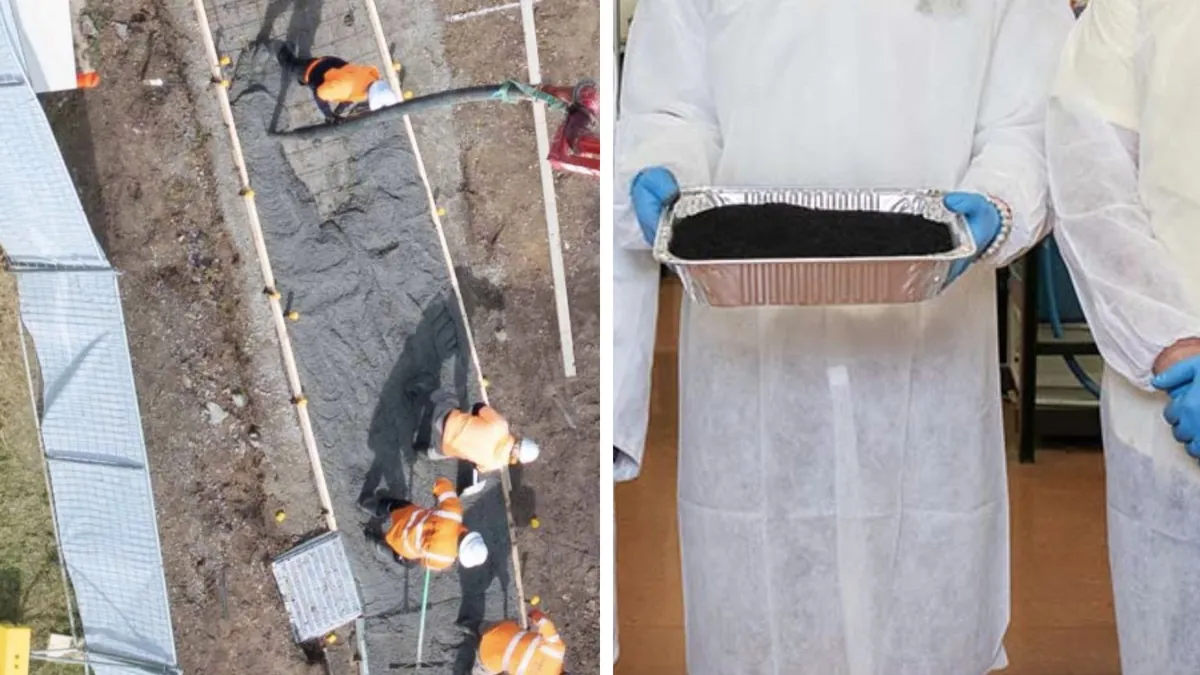
Researchers at the Royal Melbourne Institute of Technology (RMIT) in Australia have developed a concrete mix using coffee ground waste, which can reduce carbon emissions by up to 26%. By converting spent coffee grounds into biochar, the team replaces a portion of sand in the concrete, thereby increasing its strength and sustainability. The process supports environmental goals by turning waste into valuable construction materials and reducing reliance on natural sand.
What This Means for Canadian Contractors
This project shows how innovative materials can dramatically lower the carbon footprint of construction, a significant consideration for Canadian builders aiming for sustainability. For Canadian contractors, using similar technologies could reduce the environmental impact of their projects, potentially attracting additional funding or incentives for sustainable practices. Additionally, the adoption of biochar in construction can lead to new supply chain opportunities for recycled materials, impacting sourcing strategies and project costs.