Germany tests solar wastewater plant cutting pollution 90% for disaster zones
AI Article Summary
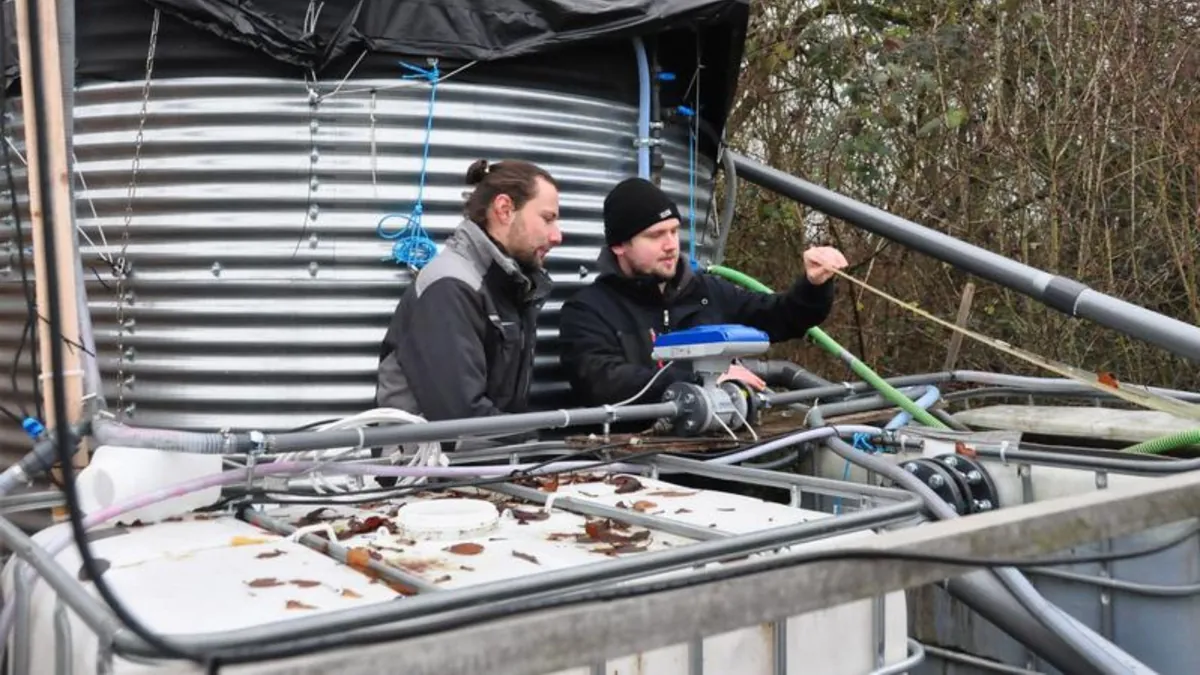
A research team in Germany is testing a solar-powered wastewater treatment plant designed for disaster zones. Led by Professor Markus Röhricht, the project has moved from laboratory to real-world trials in Lollar, reducing organic pollutant loads by 90%. This system, funded by the Federal Ministry for Research, Technology, and Space, could be crucial in crisis conditions where infrastructure is damaged or power supplies are limited. The project aims to optimize the treatment time and efficiency further, potentially benefiting regions affected by humanitarian crises.
What This Means for Canadian Contractors
This project shows how sustainable technologies can be integrated into essential infrastructure like wastewater treatment plants. For Canadian builders, this means there might be opportunities to adopt similar systems, especially in remote areas where traditional power infrastructure is less reliable. The push for solar-powered infrastructure can also influence permitting and funding decisions, as governments prioritize environmentally sustainable projects.