Biobased concrete substitute locks in carbon while supporting marine ecosystem repair
AI Article Summary
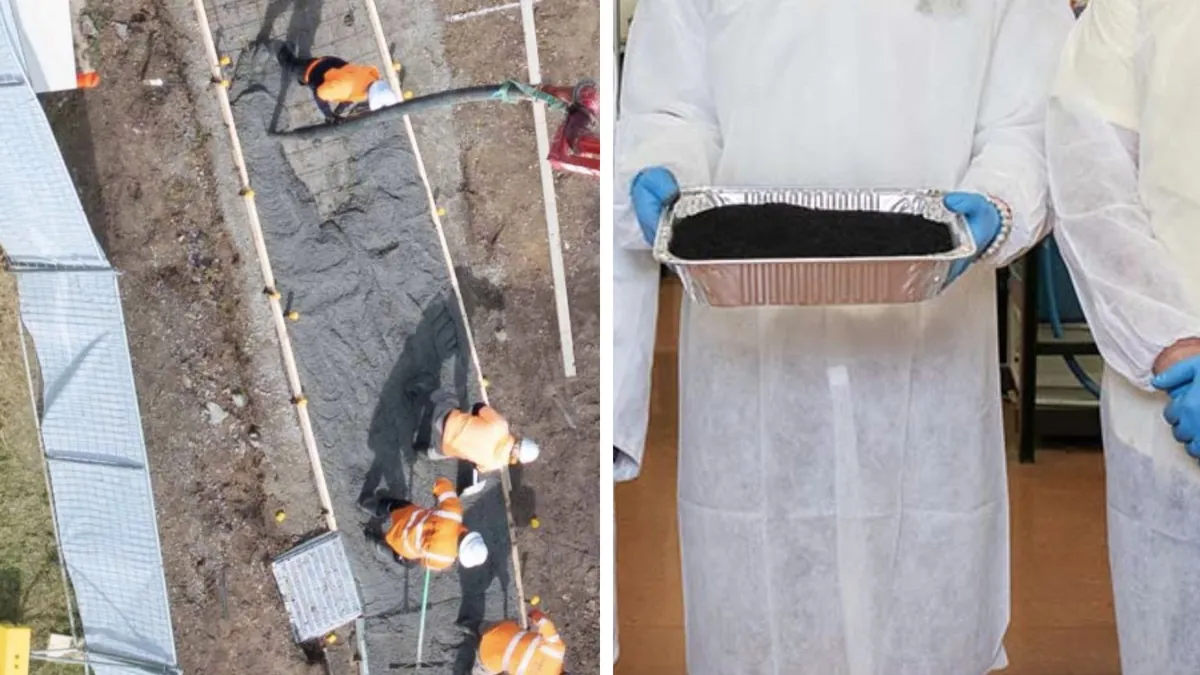
A new biobased concrete substitute, Xiriton, developed by researchers at the Royal Netherlands Institute for Sea Research, is being tested for coastal restoration purposes. Made from materials like grass and volcanic pozzolan, Xiriton supports marine ecosystems by encouraging the growth of shellfish and algae. The material demonstrates durability and strength comparable to Roman cement and could be used in various building applications. The study, published in Frontiers in Marine Science, suggests biobased approaches as necessary for environmental sustainability.
What This Means for Canadian Contractors
This project shows how biobased materials like Xiriton can revolutionize coastal restoration and potentially lower permit constraints linked to environmental impact. For Canadian builders, this means exploring greener materials could become essential for sustainable building practices, influencing supply chain choices and perhaps offering new funding opportunities with a focus on sustainability. As such, contractors might need to innovate with biobased materials to stay competitive and meet environmental regulations.